Portable Air Conditioners
Last updated: 2026-09-28
Portable air conditioners are easy to misuse: the wrong BTU number, a leaking window kit or a single-hose setup can leave a room warm despite a running unit. These guides cover sizing, venting and the fixes for common problems.
What you will find here
- ASHRAE vs DOE BTU: which number to compare
- How to install and seal a portable AC exhaust hose
- Why a portable AC blows warm air
- Single-hose vs dual-hose portable AC
Frequently asked questions
What is the difference between ASHRAE and DOE BTU?
DOE BTU is measured under a newer, more realistic test method, so a given unit is usually rated lower in DOE than in the older ASHRAE figure. Compare ratings of the same type; do not compare an ASHRAE number to a DOE number.
Does a portable AC need to be drained?
In cooling mode most units evaporate the condensate and need little or no draining, but in humid conditions or in dehumidify mode the tank can fill and must be emptied or connected to a drain.
Products in this category
Specifications and ratings are compiled from manufacturer and retailer listings and shown as listed; they are not SmartAirGuide measurements. Some models are sold under more than one ASIN (colour, bundle or channel variants).
 Portable AC
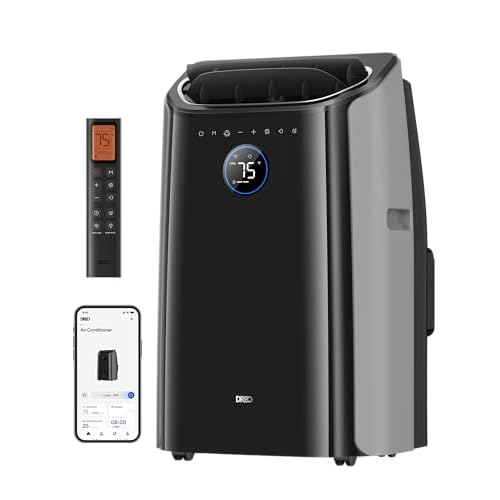
DREO 543S Portable Air Conditioner
Best for: Small bedrooms
Key advantage: 11,000 BTU ASHRAE (7,200 DOE) 3-in-1 cooling, fan and dehumidify
Important limitation: Single-hose efficiency depends on sealing the window kit.
 Portable AC
DREO 516S Portable Air Conditioner
Best for: Larger rooms
Key advantage: 14,000 BTU ASHRAE (10,000 DOE) 3-in-1 unit
Important limitation: Larger and heavier; venting must be sealed to cool effectively.
Affiliate links: we may earn a commission at no additional cost to you.
Related: Fans · Troubleshooting